Security Camera Installation in Hollywood Hills: What Homeowners Need to Know
If you own property in the Hollywood Hills, you already understand that this neighborhood presents security challenges unlike anywhere else in Los Angeles. Steep terrain, long driveways hidden from the street, high-profile residents, constant construction and service traffic create a unique environment where thoughtful camera placement matters more than simply buying a few wireless cameras and hoping for the best.
Recent LAPD data confirms what many hillside residents already sense: property crimes and package theft remain persistent concerns in affluent neighborhoods where homes sit far from street view and response times stretch longer than in flat urban areas. Security cameras are only one layer in a broader smart security strategy—one that includes motorized gates, landscape lighting, and access control—that integrators like Get Wired Tec design and install as cohesive systems rather than disconnected gadgets.
This guide focuses specifically on Hollywood Hills homeowners navigating the unique layout, terrain, and privacy challenges that come with hillside living. We’ll cover:
-
California surveillance camera laws and audio recording requirements
-
Best placement strategies for multi-level hillside properties
-
Wired vs wireless choices for large, architecturally complex homes
-
Integration with smart home automation systems
-
When to hire licensed professional's vs attempting DIY installation
Hollywood Hills Crime, Privacy, and Lifestyle Factors to Consider
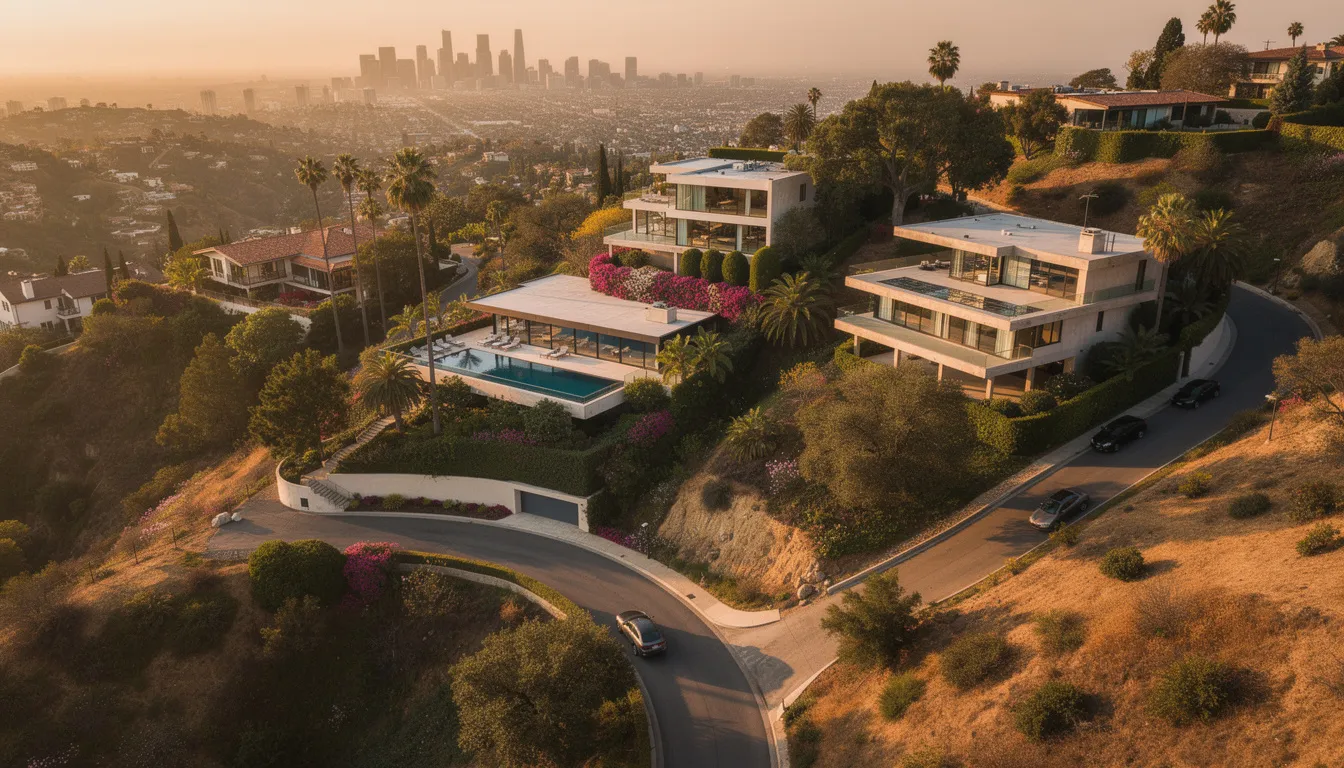
Hollywood Hills differs fundamentally from flat LA neighborhoods. Narrow streets with limited street lighting, homes hidden behind tall gates, frequent short-term rentals cycling guests through unfamiliar properties, and celebrity residents who attract unwanted attention all contribute to heightened security concerns.
Hillside homes typically feature multiple access points that wouldn’t exist on a standard suburban lot. Steep side yards, rear trails connecting to public hiking paths, and stair access from the street that isn’t visible from the main residence all create vulnerability. A camera system designed for a single-story ranch home in the Valley simply won’t address the crime challenges present on a multi-level Hollywood Hills estate.
Typical security concerns for hillside property owners include:
-
Nighttime trespassing up the hillside from adjacent public areas or hiking trails
-
Gate tampering at street-level vehicle and pedestrian entrances
-
Package theft at street-level mailboxes far from the main house
-
Unauthorized filming or photography from public viewpoints overlooking the property
-
Service and delivery personnel accessing areas of the home beyond their intended scope
Privacy expectations run high in this neighborhood. Your neighbors may be extremely sensitive about surveillance cameras capturing their decks, pools, or interior windows—even unintentionally. A poorly aimed camera can create lasting friction with adjacent property owners.
Additionally, many Hollywood Hills streets are managed by private road associations or fall within HOA jurisdictions that impose extra rules about visible cameras, shared driveways, and exterior modifications. Before installing cameras, check whether your property falls under such restrictions.
Real-world examples to consider:
-
A long driveway off Laurel Canyon may require dedicated cameras at the street gate, midway point, and arrival court—potentially 150+ feet of coverage
-
Shared stairways off Hollywood Boulevard connecting multiple properties need careful angle adjustment to avoid capturing neighbors’ front doors
-
Mulholland Drive view homes face unique backlighting challenges where city lights below can overwhelm camera sensors at night
Planning Your Hollywood Hills Camera System: Coverage, Views, and Neighbors
Planning a camera system for hillside terrain requires more effort than drawing circles on a floor plan. Multiple elevation levels, blind spots behind retaining walls, and large setbacks from the street mean that a generic approach leaves critical gaps.
Step-by-Step Assessment
Map every entry point:
-
Vehicle gates at street level
-
Pedestrian gates or stair access from the street
-
Rear paths up or down the hillside connecting to public trails
-
Balconies and decks accessible from exterior slopes
-
Side yards with gates or fencing that could be scaled
Evaluate line-of-sight challenges:
-
Steep slopes that hide approaching vehicles or people
-
Dense landscaping that provides concealment
-
Tall fences or walls creating blind spots
-
Retaining walls that block sightlines between levels
Account for shared access:
-
Street parking areas off Nichols Canyon, Outpost, or Laurel Canyon where visitors leave vehicles
-
Shared driveways serving multiple properties
-
Common stairways or paths used by neighbors
Avoiding Neighbor Conflicts
Cameras aimed at shared property lines or positioned with views into adjacent lots can create disputes—even lawsuits. Before installing security cameras:
-
Adjust camera angles using privacy masks to block adjacent yards or windows
-
Choose camera positions that focus on your property’s entry points rather than panoramic views that capture neighbors
-
Have an open conversation with neighbors if cameras will be visible from their property or near shared structures
Lighting Coordination
Hollywood Hills streets are often poorly lit at night. Cameras with color night vision or strong infrared capabilities help, but coordinated landscape lighting dramatically improves video footage quality. Motion-activated lights at driveways and slopes serve dual purposes: illuminating the scene for clearer recording and deterring intruders who prefer darkness.
Get Wired Tec creates a custom camera coverage plan before any installation, often using property site plans along with onsite thorough assessments for larger estates to identify optimal positions and avoid blind spots.
Choosing the Right Cameras for a Hillside Property
Hollywood Hills homes often require a mix of camera types. Distances from street gate to front door can exceed 100 feet. Extreme Southern California sun creates harsh backlighting. Canyon darkness at night demands capable low-light performance. One camera model rarely addresses all scenarios.
Key technical specifications to evaluate:
|
Feature |
Recommendation for Hollywood Hills |
|---|---|
|
Resolution |
4MP minimum; 4K preferred for long driveways and street gates where capturing license plates matters |
|
Lens type |
Wide-angle for entry doors and courtyards; varifocal zoom for street gates, steep driveways, and distant canyon views |
|
Low-light performance |
Strong infrared (100+ feet) or color night vision; wide dynamic range (WDR) for scenes mixing bright city lights with dark foregrounds |
|
Weather rating |
IP66 or better for outdoor cameras exposed to direct sun, Santa Ana winds, and occasional heavy rain |
Wired vs Wireless Considerations
Wi-Fi-only cameras from consumer brands often struggle in Hollywood Hills homes. Dense construction materials—thick stucco, concrete retaining walls, steel framing—block wireless signals. Multi-level layouts compound the problem. A camera at your street gate may sit 150 feet and three floors away from your router.
Professional-grade wired systems using Power over Ethernet (PoE) deliver reliable performance across large properties. A single Cat6 cable provides both power and data, eliminating battery concerns and Wi-Fi dead zones. Unlike wireless cameras, hardwired security cameras are not vulnerable to Wi-Fi jammers or signal interference, making them the most secure and dependable option for Los Angeles homeowners who want uninterrupted surveillance and long-term reliability. For properties where security is a priority, investing in professionally installed wired camera systems ensures consistent performance, faster data transmission, and stronger overall protection.
Example System Layout
A typical 5–8 camera system for a three-story hillside home with one street gate, two side paths, and a pool deck overlooking the canyon might include:
-
1 varifocal camera at the street vehicle gate (license plate capture)
-
1 camera at the pedestrian gate or stair access
-
1 wide-angle camera at the main entry door
-
2 cameras covering side paths and yard access points
-
1 camera overlooking the garage or carport
-
1–2 cameras at the pool deck and rear slope
Get Wired Tec designs systems using professional-grade brands that integrate with home automation platforms — not consumer DIY video cameras that function as isolated gadgets.
Wired vs Wireless in the Hollywood Hills: Power, Network, and Reliability
Hollywood Hills architecture—multi-level construction, concrete, steel framing, and thick stucco—creates challenging environments for wireless camera systems. Understanding when wired systems outperform wireless options helps you avoid frustration and gaps in coverage.
When Wired/PoE Cameras Are Recommended
-
Large lots where cameras at vehicle gates sit far from the main house and router
-
Multi-story homes where Wi-Fi signals struggle to penetrate floors and retaining walls
-
Long-term residences where owners want 24/7 recording to network video recorders (NVRs) with weeks of video footage retention
-
Properties with multiple structures requiring cameras at guest houses, detached garages, or pool houses
PoE systems run a single Cat6 cable from each camera to a central switch, providing power and data without depending on Wi-Fi coverage. This approach eliminates the battery maintenance and connectivity issues that plague consumer wireless cameras.
When Wireless Cameras May Work
-
Small guest houses located near the main router or a dedicated access point
-
Temporary coverage during renovations or short-term rental seasons
-
Supplemental cameras in areas where running cable proves impractical
Even in these scenarios, signal testing before purchase is essential. A camera that shows “full bars” during setup may drop connection during a windstorm that shifts foliage or when a party fills the house with guests’ devices competing for bandwidth.
Network Design Matters
Hollywood Hills homes with remote monitoring ambitions need robust network infrastructure:
-
Cat6 wiring throughout the home providing a hard-wired backbone
-
Properly segmented Wi-Fi with dedicated bands or VLANs for surveillance equipment
-
NVRs and network gear housed in protected, climate-controlled equipment closets
-
Enterprise-grade access points positioned to cover exterior areas where cameras need connectivity
Get Wired Tec frequently combines wired PoE cameras with wireless bridges or outdoor access points to reach distant gates or detached structures. A long up-slope driveway off Mulholland might require trenching low-voltage conduit to reach the street gate—a project best handled by licensed professionals familiar with hillside construction.
Permits, Licenses, and Working with Professionals in Los Angeles
Most single-family residential camera installations in Hollywood Hills do not require a specific City of Los Angeles permit for the cameras themselves. However, other rules and best practices still apply.
California Contractor Licensing
Installing security cameras that require low-voltage wiring falls under California’s contractor licensing requirements. Installers must hold a C-7 (Low Voltage Systems) license or comparable credential from the California Contractors State License Board.
Why this matters:
-
Licensed contractors carry insurance protecting you from liability
-
Licensed work must meet code requirements for wiring, penetrations, and electrical safety
-
Disputes with unlicensed contractors offer limited legal recourse
What Professional Integrators Handle
When you work with a professional integrator like Get Wired Tec, the scope extends beyond simply mounting cameras:
-
Site surveys and design documents mapping camera positions
-
Custom camera layout drawings showing coverage areas and blind spots
-
Coordination with landscape, gate, and electrical contractors
-
Code-compliant low-voltage wiring with proper penetrations and weather-sealed junctions
-
Integration with existing security systems, gates, and lighting
-
Testing and adjustment to optimize angles and ensure compliance with privacy laws
DIY installation makes sense for simple, single-camera scenarios. For a hillside estate requiring 6–12 cameras across multiple structures and elevation levels, professional installation protects your investment and avoids costly mistakes.
Integrating Security Cameras with Your Hollywood Hills Smart Home
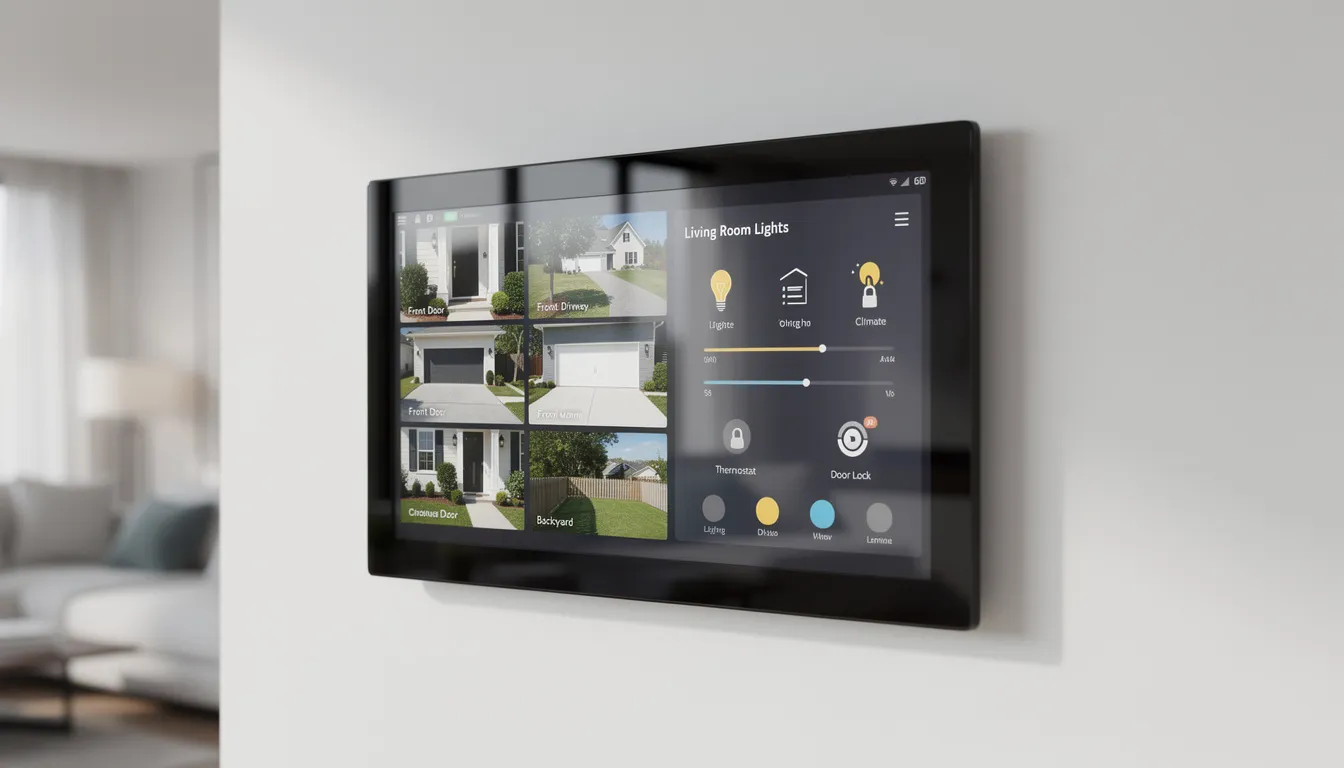
Many Hollywood Hills homes already feature smart lighting, motorized gates, whole-home audio, and climate control. Home security cameras should tie into that ecosystem, providing unified control rather than requiring separate apps and interfaces.
Key Integration Points
|
System Component |
Integration Benefit |
|---|---|
|
Home Automation touchscreens |
View live camera feeds and playback from in-wall panels throughout the home |
|
Door stations and gate intercoms |
See video of visitors on phones or panels; remotely unlock for deliveries |
|
Landscape and driveway lighting |
Trigger lights based on camera motion detection events |
|
Alarm systems |
Bookmark camera clips automatically when alarms trigger |
|
Smart locks |
Verify who’s at the door before unlocking remotely |
Storage and Network Sizing
Hollywood Hills realities demand more robust storage than typical suburban installations:
-
Long driveways require higher video bitrates to maintain detail
-
Multiple 4K streams consume significant bandwidth and storage
-
Homes where owners travel frequently benefit from 30+ days of recorded surveillance footage
-
Remote access must remain reliable when checking cameras from across the country
Professional NVR systems with enterprise-grade hard drives provide the capacity and reliability that consumer solutions struggle to match.
Ongoing Support
Get Wired Tec offers monitoring and maintenance plans that keep systems running smoothly:
-
Remote diagnostics identifying camera issues before owners notice problems
-
Proactive firmware updates addressing security vulnerabilities
-
Regular health checks for cameras, NVRs, and network equipment
-
Priority scheduling when service visits are needed
A fully integrated home security system in a $2M–$10M hillside property should function seamlessly for years, not require constant troubleshooting.
Best Practices for Camera Placement Around a Hillside Home
This section provides a practical checklist of common camera locations specific to Hollywood Hills topography. Use it as a starting point when planning your own video surveillance system.
Street-level vehicle gate: Position a camera to capture license plates of vehicles entering and exiting. Angle matters—aim slightly downward to catch plates rather than glare from headlights. 4K resolution helps at the distances typical in hillside driveways.
Pedestrian gate or stair access: Cover the route visitors take from street parking to your home. This is often a separate path from the vehicle entrance.
Main entry door: The most critical camera position. Wide-angle coverage captures faces and package deliveries. Consider a video doorbell integrated with your system.
Side doors and upper-level entries: Hillside homes often have exterior stairs and decks with multiple entry points. Don’t neglect doors that open onto slopes or balconies.
Pathways along the slope: Side yards and hillside paths allow access to the rear of homes. Cover these routes even if they seem unlikely entry points.
Garage doors and carports: Especially important when garages face streets or alleys. Vehicle break-ins and theft from garages remain common property crimes.
Pool deck and rear entertaining areas: Balance security with privacy. Aim cameras at access points rather than gathering areas where guests expect privacy.
Special considerations:
-
Use privacy masks to block neighbors’ pools, bedroom windows, and public spaces visible in wide shots
-
Position cameras to minimize sunset glare from city views over the basin
-
Choose mounting heights of 9–10 feet to deter tampering while maintaining useful angles
-
Ensure overlapping fields of view eliminate blind spots between cameras
A typical mid-size Hollywood Hills home benefits from 4–10 cameras depending on lot size, number of structures, and access points.
Storage, Remote Access, and Cybersecurity for Camera Systems
High-end Hollywood Hills video surveillance systems typically use network video recorders or hybrid solutions combining local and cloud storage. Understanding your options helps ensure footage remains secure and accessible when you need it.
Retention and Storage Options
|
Approach |
Pros |
Cons |
|---|---|---|
|
Local NVR |
No subscription fees; footage stays on premises; works during internet outages |
Requires physical hardware; vulnerable to theft if not secured |
|
Cloud storage |
Accessible anywhere; protected from on-site theft or damage |
Monthly fees; bandwidth requirements; privacy concerns |
|
Hybrid |
Best of both; local recording with cloud backup of critical clips |
More complex setup; higher cost |
Most Hollywood Hills homeowners benefit from 14–30 days of local retention, with cloud backup for motion-triggered events. Owners who travel frequently may prefer longer retention periods.
Cybersecurity for High-Profile Residents
Camera footage represents a significant privacy risk if compromised. Hackers accessing live feeds or recorded video footage can gather intelligence for burglaries, expose private activities, or attempt extortion.
Essential security measures:
-
Strong, unique passwords for all camera and NVR accounts
-
Multi-factor authentication on remote access apps
-
Regular firmware updates—ideally handled automatically by your integrator
-
Separate network segments (VLANs) isolating cameras from guest Wi-Fi and general devices
-
Business-grade firewalls protecting the network perimeter
Get Wired Tec designs secured networks with managed switches, VLANs, and enterprise firewalls to protect both live and recorded video streams. For high-profile property owners, this level of protection isn’t optional—it’s essential.
Cost Expectations and Long-Term Maintenance in Hollywood Hills
Costs for security camera installation in Hollywood Hills vary widely based on lot size, access challenges, and finish quality. Projects in this neighborhood typically exceed “big box” DIY budgets by a significant margin.
Primary Cost Factors
-
Number and quality of cameras: 4K cameras with advanced analytics cost more than basic 1080p units
-
Wiring complexity: Running cables on steep slopes, through retaining walls, or between multiple structures requires skilled labor
-
Integration scope: Connecting cameras with gate controls, lighting systems, and whole-home automation adds design and programming time
-
NVR and storage: Enterprise-grade recording equipment with multi-terabyte storage exceeds consumer NVR costs
Professional-grade systems from Get Wired Tec typically range from several thousand dollars for a focused 4-camera installation to tens of thousands for comprehensive estate coverage with full smart home integration.
Ongoing Maintenance Costs
Surveillance systems require periodic attention to maintain performance:
-
Cleaning and adjustment: Outdoor cameras accumulate dust, spider webs, and debris that degrade image quality
-
Hard drive replacement: NVR drives have limited lifespans and should be replaced every 3–5 years
-
Network equipment updates: Switches, access points, and firewalls require firmware updates and eventual replacement
-
Service plans: Optional ongoing support from Get Wired Tec includes remote diagnostics, proactive monitoring, and priority scheduling for service calls
Investing in a professional security system makes sense only if you maintain it properly. Neglected cameras with dirty lenses and outdated firmware provide false confidence rather than real security.
Frequently Asked Questions About Hollywood Hills Security Camera Installation
Do I need a permit to install security cameras at my Hollywood Hills home?
Most single-family residential camera installations do not require a City of Los Angeles permit for the cameras themselves. However, low-voltage wiring work should be performed by contractors holding a C-7 license. Properties in historic districts or hillside overlay zones may have additional requirements for exterior modifications.
Can my cameras record audio of people on my property in California?
California follows two-party consent rules for audio recording. You cannot record private conversations without consent from all parties involved. Most homeowners either disable audio recording on outdoor cameras or ensure all guests are aware of and consent to audio surveillance. Violating Penal Code 632 can result in criminal and civil penalties.
How many cameras do most Hollywood Hills homes need for good coverage?
Most hillside properties require between 4 and 10 cameras depending on lot size, number of access points, and whether the property includes multiple structures. A typical mid-size home might need cameras at the street gate, pedestrian entry, main door, side paths, garage, and pool deck.
Will cameras on my gate or balcony record my neighbors illegally?
Cameras that capture your own property are generally legal. Problems arise when cameras aim into neighbors’ private spaces—bedrooms, bathrooms, pools, or interior areas where people expect privacy. Use privacy masks and careful angle adjustment to block neighboring properties from your camera’s view.
Are DIY wireless cameras enough for a multi-level hillside property?
DIY wireless cameras work for simple scenarios but typically struggle with Hollywood Hills construction. Thick stucco, concrete, and multi-level layouts block Wi-Fi signals. Long distances from street gates to homes exceed practical wireless range. For reliable coverage, professional wired systems using PoE provide better performance and fewer connectivity headaches.
How can I get started with a camera system for my Hollywood Hills home?
Get Wired Tec performs on-site assessments throughout Los Angeles and Ventura Counties. During a site walk, our team evaluates your property’s layout, identifies security needs, and recommends camera positions tailored to hillside terrain and your specific concerns.
Conclusion: Secure Your Hollywood Hills Home the Right Way
Installing security cameras in the Hollywood Hills requires more than buying equipment online and mounting it yourself. Unique terrain, California’s strict legal requirements around surveillance cameras and audio recordings, and the multiple benefits of professional smart home integration all point toward working with experienced integrators who understand hillside properties.
A well-designed video surveillance system protects your home while respecting the person’s privacy expectations of neighbors and the legal compliance requirements imposed by California courts and state law. Cameras should function as part of a cohesive security and automation strategy—integrated with gates, lighting, alarms, and smart locks—not as a patchwork of disconnected devices.
Get Wired Tec specializes in tailored solutions for hillside estates throughout Los Angeles and Ventura Counties. Our HTA-certified team brings experience with the specific challenges Hollywood Hills homeowners face: long driveways, remote gates, multi-structure properties, and high expectations for both security and privacy. We handle site surveys, design, professional installation, and ongoing support so your system performs reliably for years.
Ready to discuss security camera installation for your Hollywood Hills home? Schedule a consultation with Get Wired Tec to start with a site walk and custom coverage plan designed for your property’s unique layout.